Four reasons to keep food on plates and out of jet fuel
Alternative fuels – so-called ‘sustainable aviation fuels’ – will have a role to play in reducing aviation emissions by replacing fossil fuels. But not all alternative fuels are made the same, and crop-based biofuels aren’t currently eligible to meet either UK or EU alternative fuel mandates.
With some pushing to change this, let’s recap why crop-based biofuels in fuel mandates would harm sustainable innovators, undermine food security, damage nature, and ultimately only reduce few carbon emissions – at best.

What is the UK SAF Mandate?
The UK Sustainable Aviation Fuel (SAF) Mandate – introduced last year – is the flagship tool for decarbonising aviation. It works by setting targets for the amount of alternative aviation fuel that must be used in the UK fuel supply. These targets increase annually, and cover biofuels produced with waste biomass, and 'power-to-liquid' (PtL) fuels produced using renewable hydrogen. Fuels made from waste oils and fats ('HEFA' fuels) are capped under the mandate due to their limited availability. There is an additional sub-mandate for PtL fuels to encourage their use, since these can be the fuels with the fewest emissions and environmental impacts.
Crucially, the SAF Mandate currently excludes crop-based biofuels. In the first consultation on establishing the SAF Mandate, the Department for Transport said that crop-based biofuels could "lead to modest GHG emissions savings or, in some instances, to an increase in carbon emissions when taking into account their indirect land use change impact". As a result, they were made ineligible in the regulation.
What are crop-based biofuels?
A range of crops are used globally to produce fuels for other sectors of the economy, such as road transport. The International Energy Agency (IEA) assessed that global biofuel supply reached 182bn litres in 2023, with 88% of these fuels being made with food-type crops – for example, corn, wheat and vegetable oils. Energy grasses and rapid-growing woods are also possible crop-derived feedstocks for biofuel production.
But using these fuels comes with a number of issues. Growing crops for fuel instead of food risks causing food insecurityby reducing the amount of available food and causing food price inflation and there are risks to biodiversity and nature, all while having an at best limited impact on emissions.
Alongside the impacts related to the production of crop-derived biofuels, including them in the SAF Mandate risks bringing additional negative impact to the growth of the UK's alternative fuel production industry at a critical stage in its development.
Four main risks of using crop-based biofuels
Reversing the decision to exclude these low-integrity fuels comes with a series of risks. To name just a few, it could:
1. Undermine investor confidence in alternative fuel projects that will reduce more emissions, like Power-to-Liquid.
A key feature of the SAF Mandate is that it provides a stable, long-term market incentive to develop alternative fuels by setting a guaranteed level of demand. Changing the feedstock eligibility when the mandate has only been operating for one year fundamentally undermines its aim by signalling that the targets set out in the SAF Mandate are may be changed again in future.
UK SAF Mandate modelling suggests that there will be enough feedstocks to meet the Mandate until 2040 – provided that there is sufficient production capacity and technologies are deployed effectively. But at present technologies are not being deployed fast enough, with no PtL production facilities having reached final investment decision (FID) in the UK.
Furthermore, these biofuels are more technologically mature than PtL, come with less risk to investors and which will be produced at a lower cost. Including them risks driving investments away from PtL fuels and towards those that will provide much lower emission reductions.
This risk is exacerbated by the fact that there is no current indication that the revenue certainty mechanism (RCM) will include a dedicated allocation for PtL projects. Combined, the inclusion of crop-derived biofuels and lack of dedicated PtL allocation in the RCM could suggest to investors a lack of commitment to the highest integrity fuels.
2. Cause food insecurity and causing food price inflation.
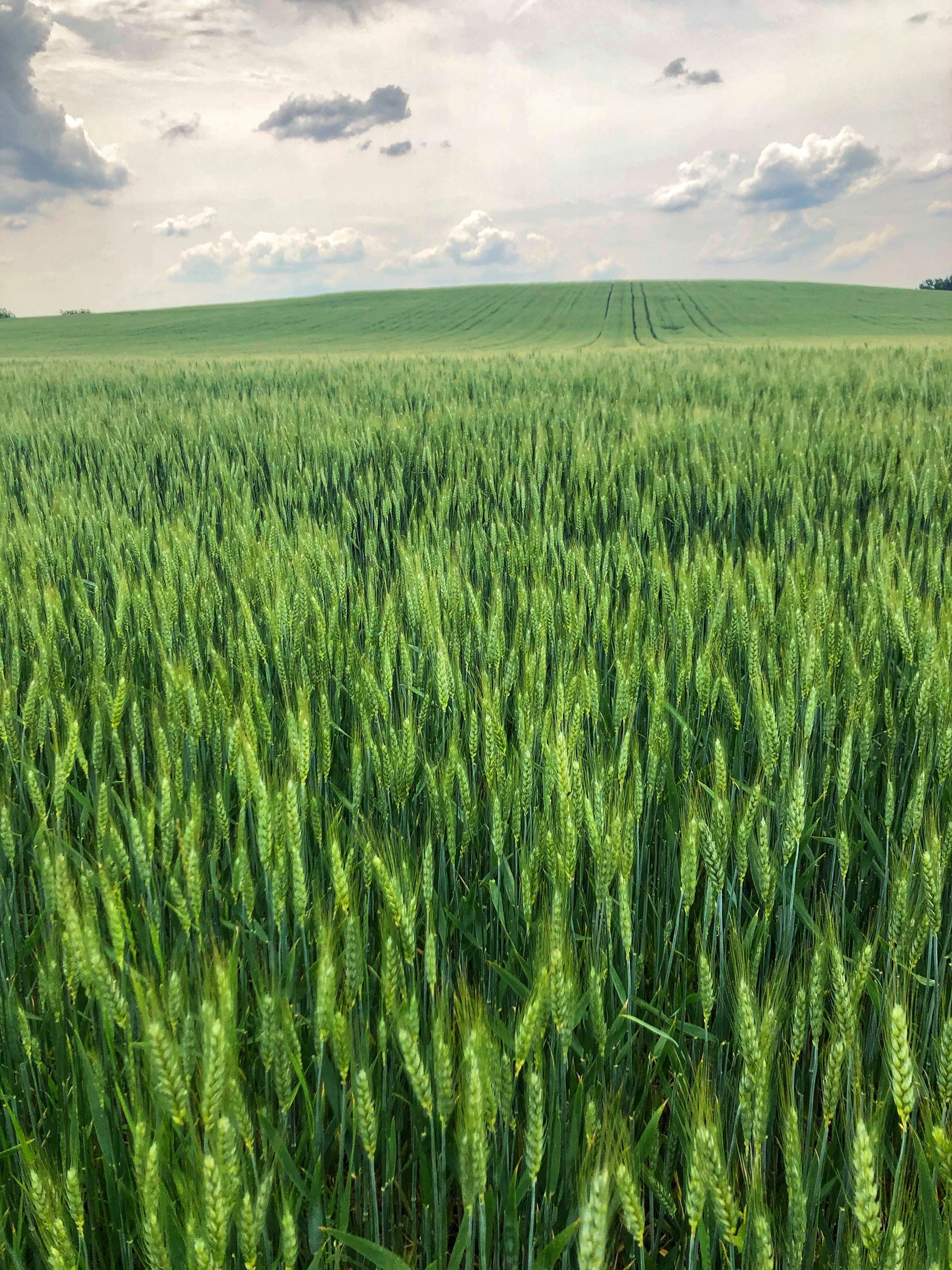
200m tonnes of corn, 8m tonnes of wheat, 40m tonnes of vegetable oil and feedstocks for 50m tonnes of sugar were consumed by the biofuels industry in 2023. This was enough to meet the minimum annual calorific requirements of up to 1.6 billion people.
This puts the production of biofuel feedstocks in direct competition with land for food production. It is projected that by 2030, production of feedstocks for transport biofuels could require 52m hectares of cropland – equivalent to the size of France. This would constitute a 62% increase from 2023 levels.
Not only does producing biofuel feedstocks put pressure on the availability of food crops, but also the price of food: economic models have suggested that biofuel demand could lead to long-term increased in food prices.
3. Open the floodgates to biofuels imported from the US, which already outcompete UK produced fuels used in other sectors.
Data suggests that European bioethanol is 24% more expensive than US bioethanol. This, combined with the fact that in 2024 only 10% of bioethanol used in UK transport was produced domestically (the remaining 90% was largely sourced from the US, which was responsible for 60% of bioethanol supply), suggests that there is little evidence that UK produced crop-derived biofuels would be competitive with imported fuels.
This is further exacerbated by the significant production incentives that US-produced fuels receive via the Inflation Reduction Act and the elimination of the 19% import tariff on 1.4 billion litres of US bioethanol agreed in May 2025.
4. Increase emissions and damage British nature and biodiversity.
Using crops for fuel instead of food is a driver of emissions from indirect land use change (ILUC). This can be for a number of reasons, for example if a seed oil is being grown for the food market and is displaced to the fuel market, the resulting deficit of seed oil in the food market could be filled through converting new land for its production. Converting new land for food production can subsequently lead to the release of carbon sequestered in vegetation and soils. Furthermore, this land conversion can cause habitat destruction, degradation and fragmentation– all of which pose a significant risk to biodiversity and can disrupt ecological processes.
Even growing crops for biofuels on so-called 'marginal' land has a number of potential negative impacts for biodiversity. They often hold ecological value despite being 'unprofitable' for agriculture, and can provide benefits like being critical ecological corridors, supporting pollinators and other wildlife, acting as buffer zones, providing erosion mitigation or fire prevention. These benefits would be reduced by converting the land to crop production.
The International Civil Aviation Organization’s (ICAO) have produced their own default life-cycle emissions values for the Carbon Offsetting and Reduction Scheme for International Aviation (CORSIA), which assess the carbon emission savings of alternative fuels in relation to a fossil fuel baseline. The ICAO give a maximum emission reduction potential for crop-derived biofuels of only 63% relative to fossil fuels, while for some crop-derived fuels emissions could be as much as 11% higher than fossil fuels. In the ICAO's assessment, all crop-derived fuels have potential to reduce emissions by significantly less than waste feedstock biofuel and PtL pathways (those currently eligible for SAF Mandate compliance).
This disparity between emission reduction potential for crop-derived biofuels in comparison to pathways already included in the SAF Mandate shows that including crop-based biofuels into the Mandate may weaken its potential for reducing emissions.
What happens next?
The UK Government will shortly be publishing a response to the recently closed call for evidence on including crop-based fuels in the SAF Mandate. All eyes will be on this response, with the biofuel sector also pushing for a relaxation of the EU’s rules that limit the use of crop-based fuels.
The impact of the response’s recommendations therefore goes beyond whether the UK should consult formally on changing the SAF Mandate’s eligibility criteria – it will stand as a litmus test for commitment to the mandates, with other jurisdictions pushing back against the same pressures.