EU ETS proposal: smaller vessels in, but exemptions still remain
This is the second in our three-part summer series unpacking the Commission's proposal to revise the EU Emissions Trading System (EU ETS). Here we dive into what the EU ETS proposal would mean for maritime, but in case you missed it catch up on our first breakdown of aviation. Keep an eye out for the final instalment on industry support through allowances.
Maritime emissions are heading the wrong way: EU seaborne transport alone could increase by 34% by 2050 compared to 2015 levels. Facing major decarbonisation challenges, the maritime sector entered the EU ETS in 2024. The Commission's proposal now sets out wider coverage to smaller vessels, a genuine win, even if a few loopholes still need closing.
A larger ETS scope for maritime shipping
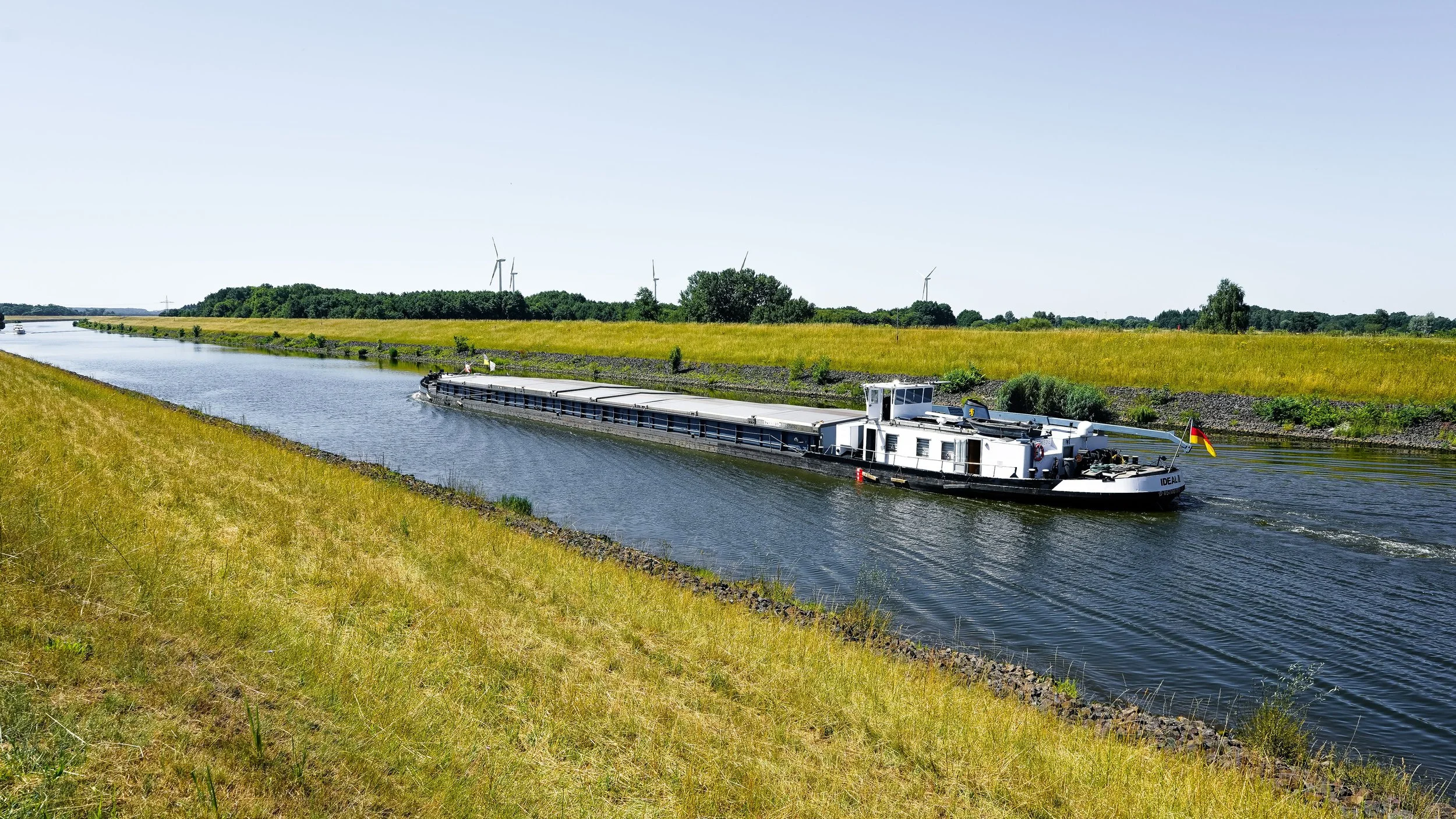
The proposal is set to extend the EU ETS to most vessels between 400 and 5,000GT from 2031, on top of the larger ships already covered. That's a big deal since these smaller vessels currently sit entirely outside the carbon price, even though, by 2050, they're projected to account for roughly a third of total EU maritime emissions, up from about 15% today. Bringing them in means more emissions priced, more revenue for the sector, and a real incentive for smaller operators to decarbonise.
The scope expansion also illustrates how the EU ETS is a crucial complement to the hopefully soon to be adopted International Maritime Organization Net-Zero Framework (NZF). The NZF is vital for catalysing the global maritime transition but would only target 15% of European shipping, in part due to its scope being limited to only vessels over 5,000GT. Europe’s maritime innovators need a strong ETS with this broader scope alongside the NZF to reach their full potential and contribute to Europe’s efforts to cultivate clean and competitive industry.
A few holes left in the net
Ferries below 5,000GT (Ro-pax and passenger ships) stay exempt, with only a feasibility report promised by 2031. This is despite ferries’ huge electrification potential, a reality that hasn’t escaped the Commission: the Electrification Action Plan, published the same day, recognises ferry electrification as a real opportunity to cut emissions and strengthen Europe's maritime manufacturing base. Modelling suggests this ETS exemption could cut electric ferry battery uptake by 8%. On top of that, ice-class ships get their discount on their obligation extended to 2035, and yachts stay excluded entirely. If for aviation the proposal can finally bring in private jets, the same fairness logic should apply to yachts.
Revenue as a lever to support Europe’s innovators
A wider scope also means more revenue, and the proposal takes a positive step here: half of Member State ETS revenues will now have to go toward decarbonising ETS-covered sectors, a shift given Member States have historically collected roughly 80% of ETS revenues while spending less than 10% on industrial decarbonisation.
But that revenue only delivers for climate if support is clearly earmarked to genuine sustainable solutions. Left unaddressed, it risks flowing to lower-integrity alternatives like LNG and biofuels instead of the long-term solutions like e-fuels and zero-emission propulsion technologies that give European innovators a lasting competitive edge.
This makes the EU ETS indispensable for keeping the maritime sector on track to contribute to the EU's emission reduction targets, and turn revenue into real industrial leadership for European innovators and companies that have invested, developed technologies and committed capital toward the most sustainable technologies. The proposal’s 110 million allowances to support clean shipping fuels and propulsion technologies is a start: more on how well that money is targeted in our next blog.